GBI Strategic Performance & Market Intelligence
Data-driven insights into international distribution, seasonal demand, and margin optimization
Global Market Composition & Fundamentals
GBI operates with a balanced international footprint: 52% Germany / 48% USA. This strategic diversification across two mature markets ensures resilience and growth opportunity. Understanding the relationship between Revenue and Costs reveals consistent profit scaling over the past decade.
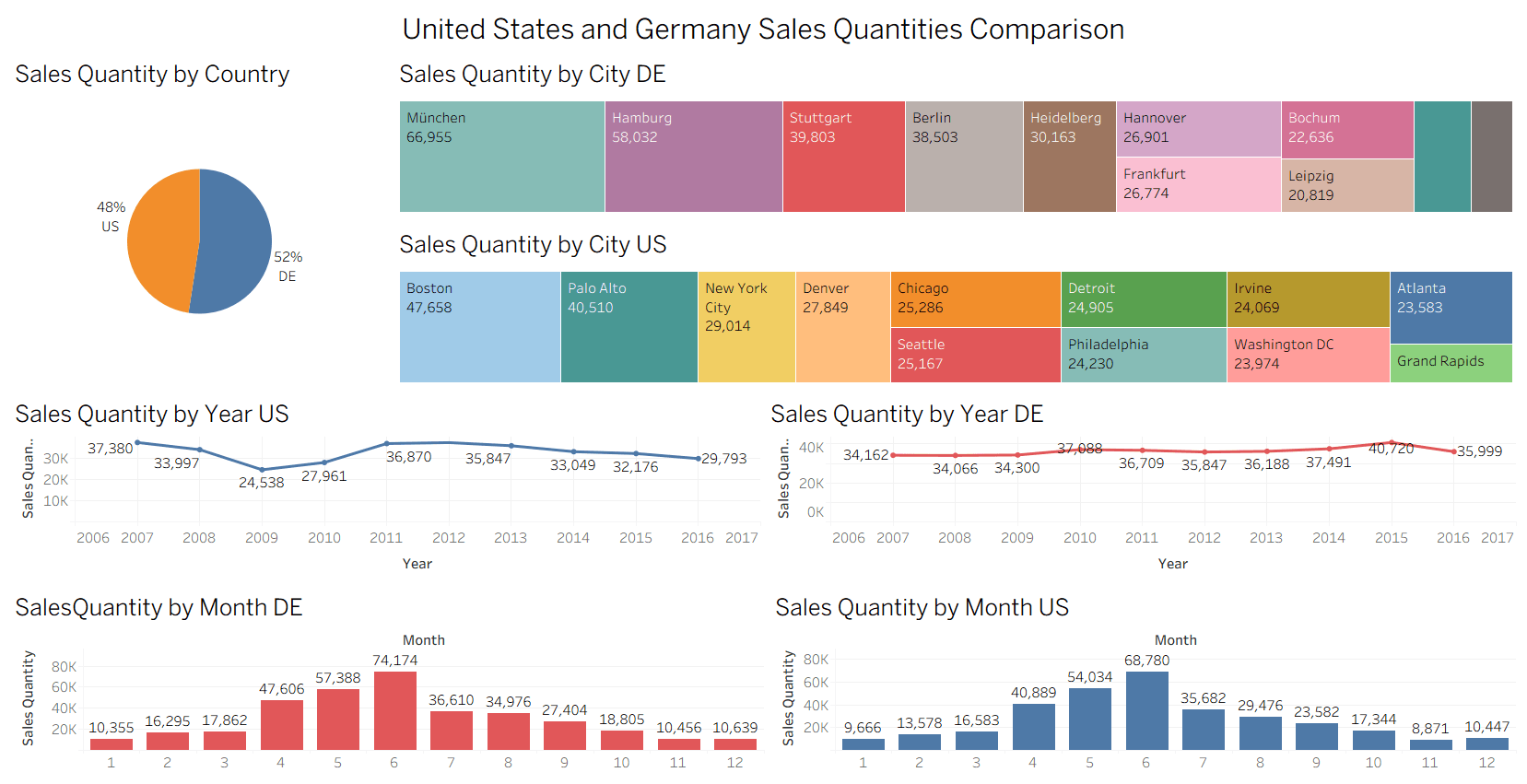
Market Research Dashboard: Comprehensive overview of global market dynamics, competitive positioning, and strategic opportunities across all regions.
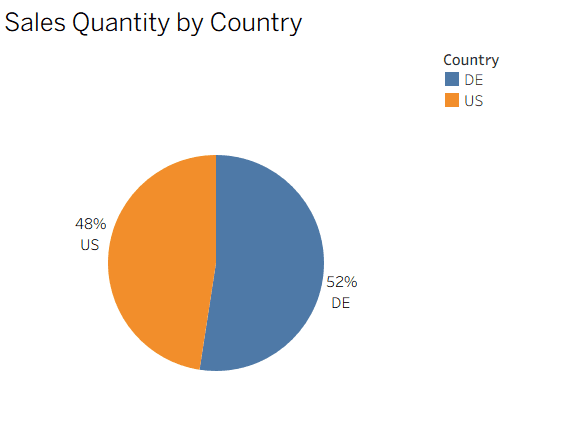
Country Quantity Breakdown
The graph shows how unit quantity is distributed across countries, with city-level detail filtered to show AS and BI divisions. München leads in volume, supporting the 52% Germany / 48% USA footprint and reinforcing the regional hub strategy.
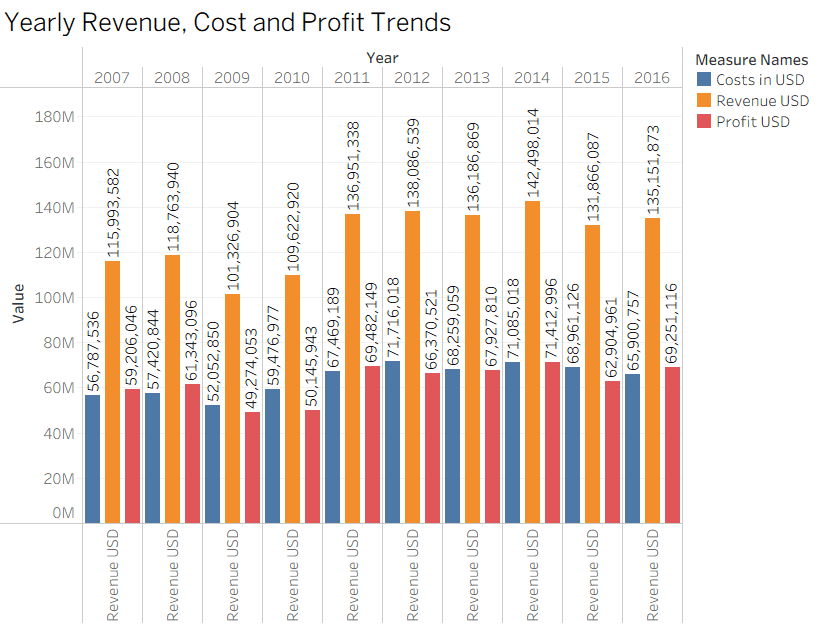
Revenue, Cost and Profit View
The chart illustrates the decade-long relationship between revenue and cost, with the profit line scaling consistently. The bottom section of the original image is cropped here so the discussion is provided in text rather than in the graph footer.
→ Key Insights
- •Global footprint provides market resilience and reduces single-market dependency risk
- •Profit margins remain stable across the decade, indicating operational efficiency
- •Urban-hub concentration (München model) demonstrates the power of geographic focus
Operational Efficiency & The 'Discount Trap'
Aggressive discounting is a double-edged sword. While it may appear to drive volume, the data reveals a critical truth: high discounts don't always correlate with proportional sales increases. Strategic margin protection often outperforms volume chasing in long-term profitability.
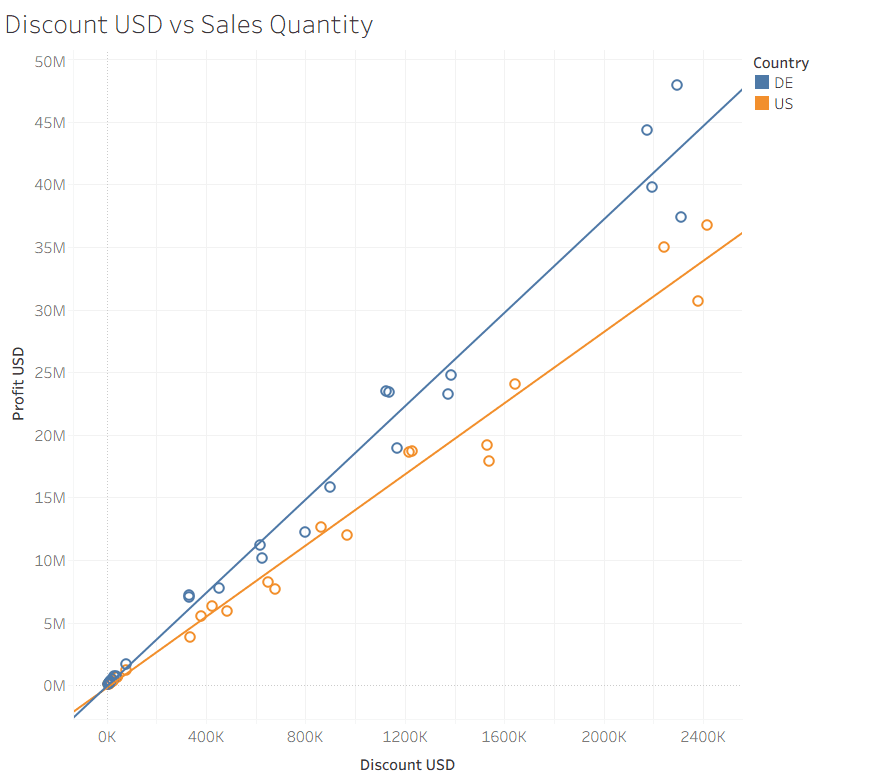
Discount vs Sales Quantity
This graph demonstrates that higher discounts do not always produce proportional volume gains. The bottom part of the chart image is intentionally cropped here, while the insight is delivered in text below.
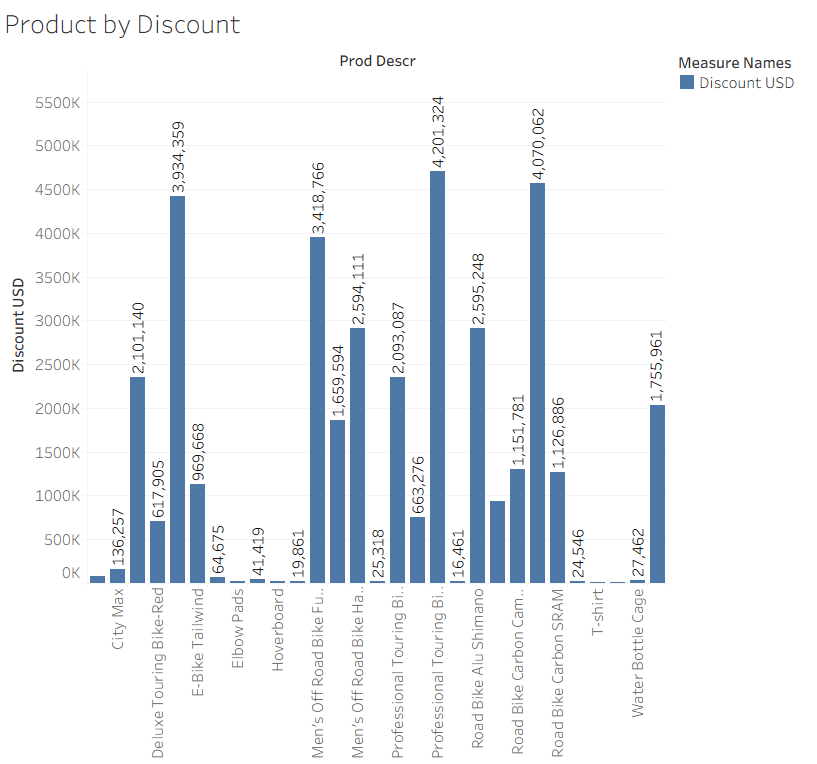
Product Discount Trends
The graph highlights discounting patterns across product groups and the need to protect margins on high-value items. Professional Touring Bikes are a strong example of where margin protection should override volume chasing.
Case Study: Professional Touring Bike
This product category exemplifies the 'discount trap.' Despite significant sales volume, excessive discounting has compressed margins to unsustainable levels. Recommendation: reduce discount depth, focus on value messaging, and consider segmenting customers to protect margin on price-sensitive channels.
The path forward: Protect the margin, even if volume declines initially. Long-term profitability outweighs short-term volume metrics.
→ Strategic Takeaways
- •Discount elasticity varies by product category—one-size-fits-all strategies fail
- •Margin dollars matter more than volume units—prioritize profitability metrics
- •Peak season (June: 15,790 units) requires disciplined pricing to capitalize on demand
- •Premium products should maintain pricing integrity—discounting signals weakness
Strategic Recommendations & Product Performance
The shift from 'Volume' to 'Value' represents a fundamental strategic pivot toward profit-based decision making. What generates the most 'Noise' (Revenue) often differs from what generates the most 'Money' (Profit).
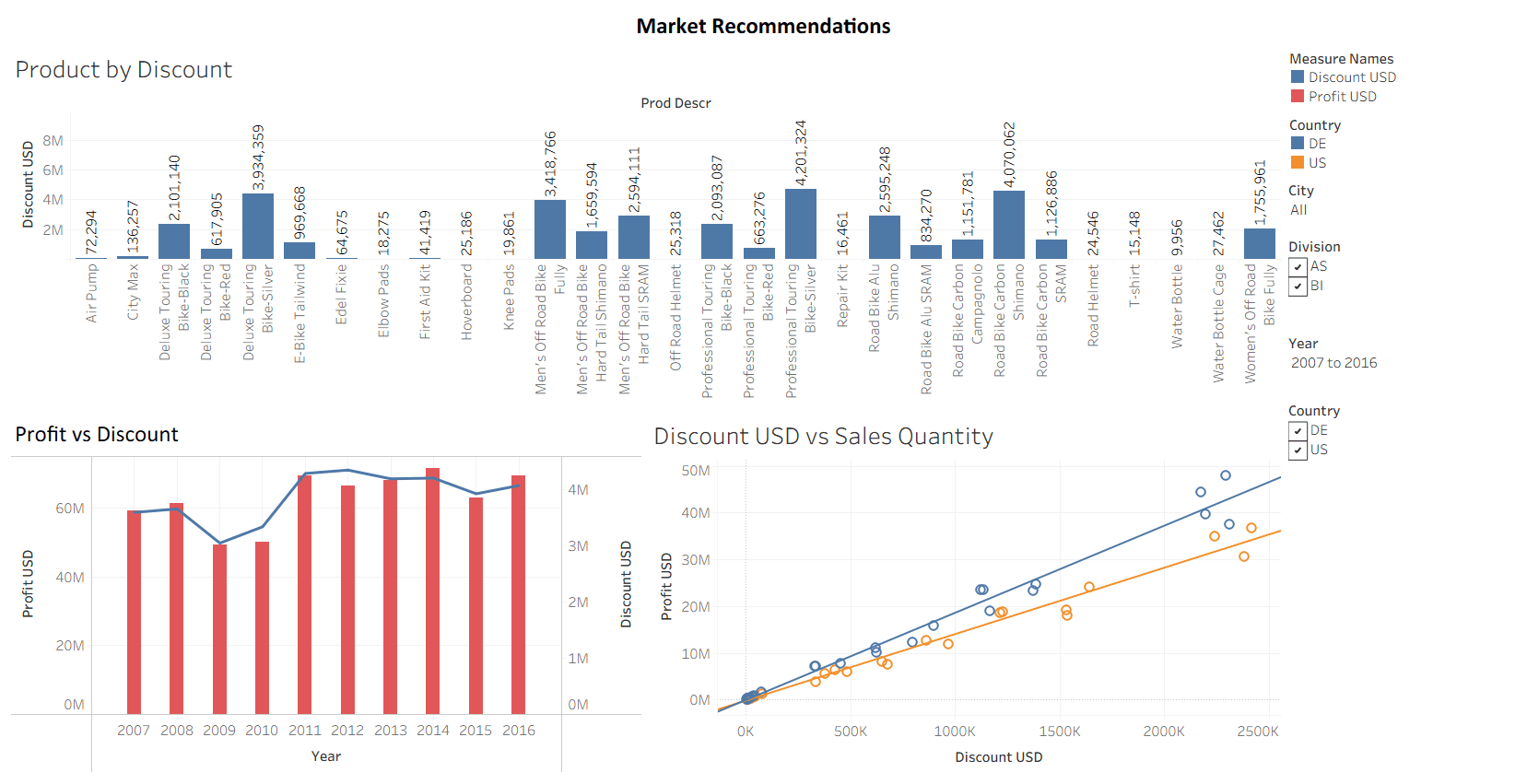
Market Recommendation Dashboard: Strategic positioning and opportunity sizing for maximizing profit capture across product categories and customer segments.
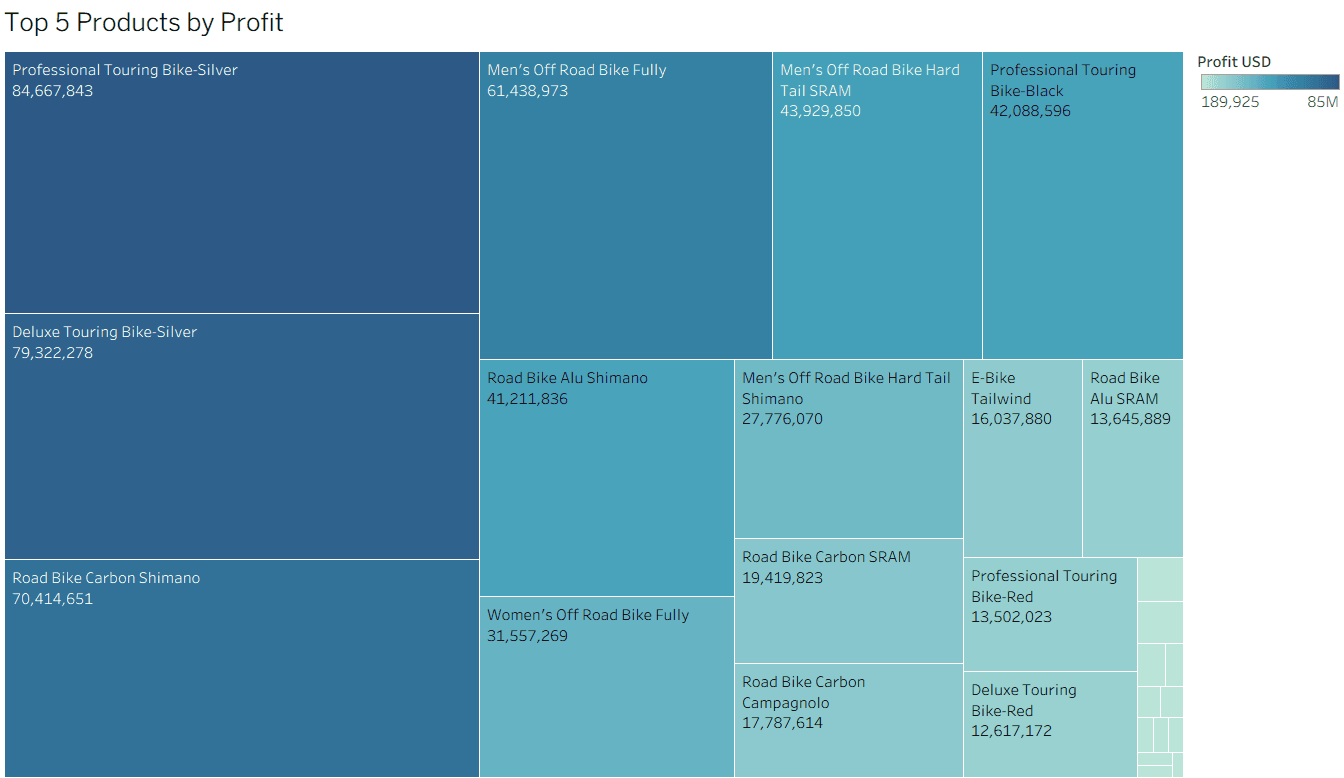
Profit-Leading Products
These are the true profit drivers and the most reliable candidates for strategic investment. The graph itself is cropped to remove the image footer, while key insight text remains clearly visible below.
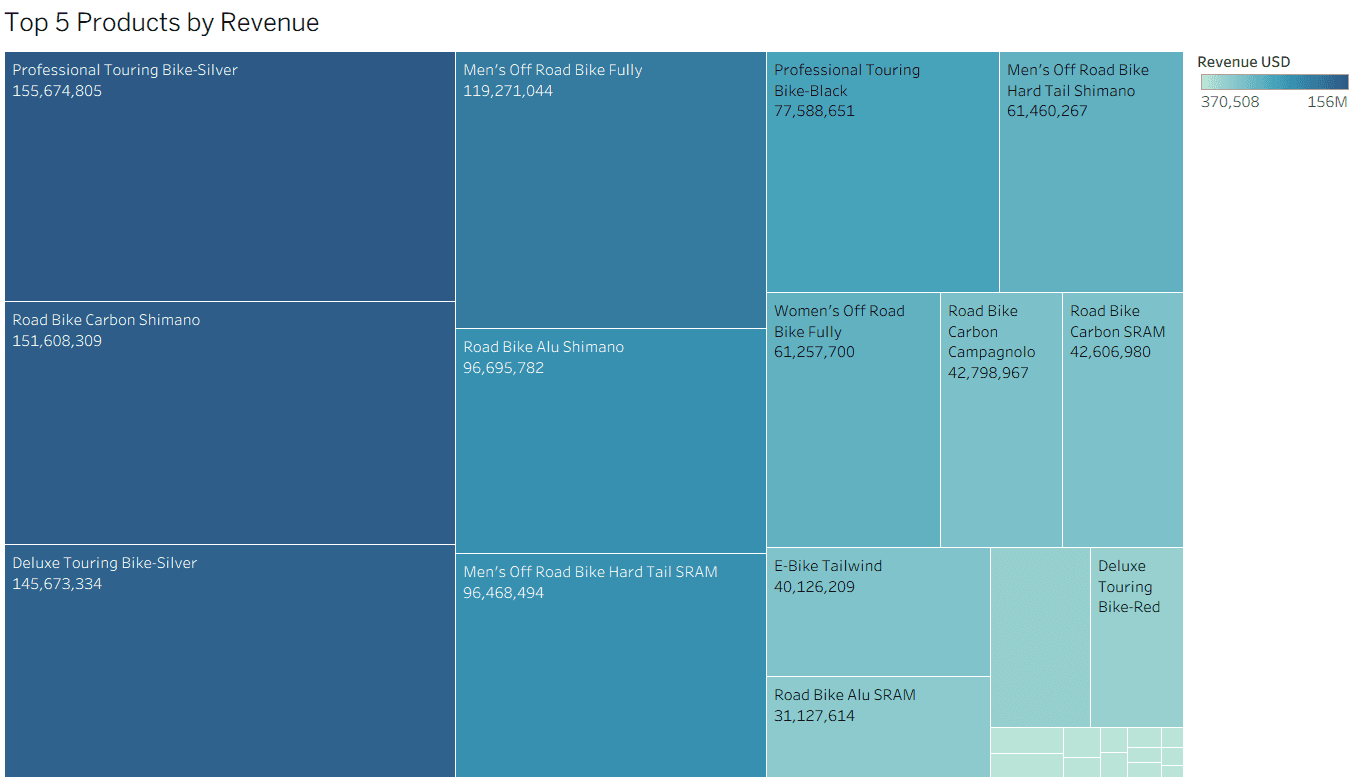
Revenue-Focused Products
This chart shows which products generate the most topline revenue, even if they are not the best profit contributors. The visual is cropped to focus on the chart area and reduce image annotations.
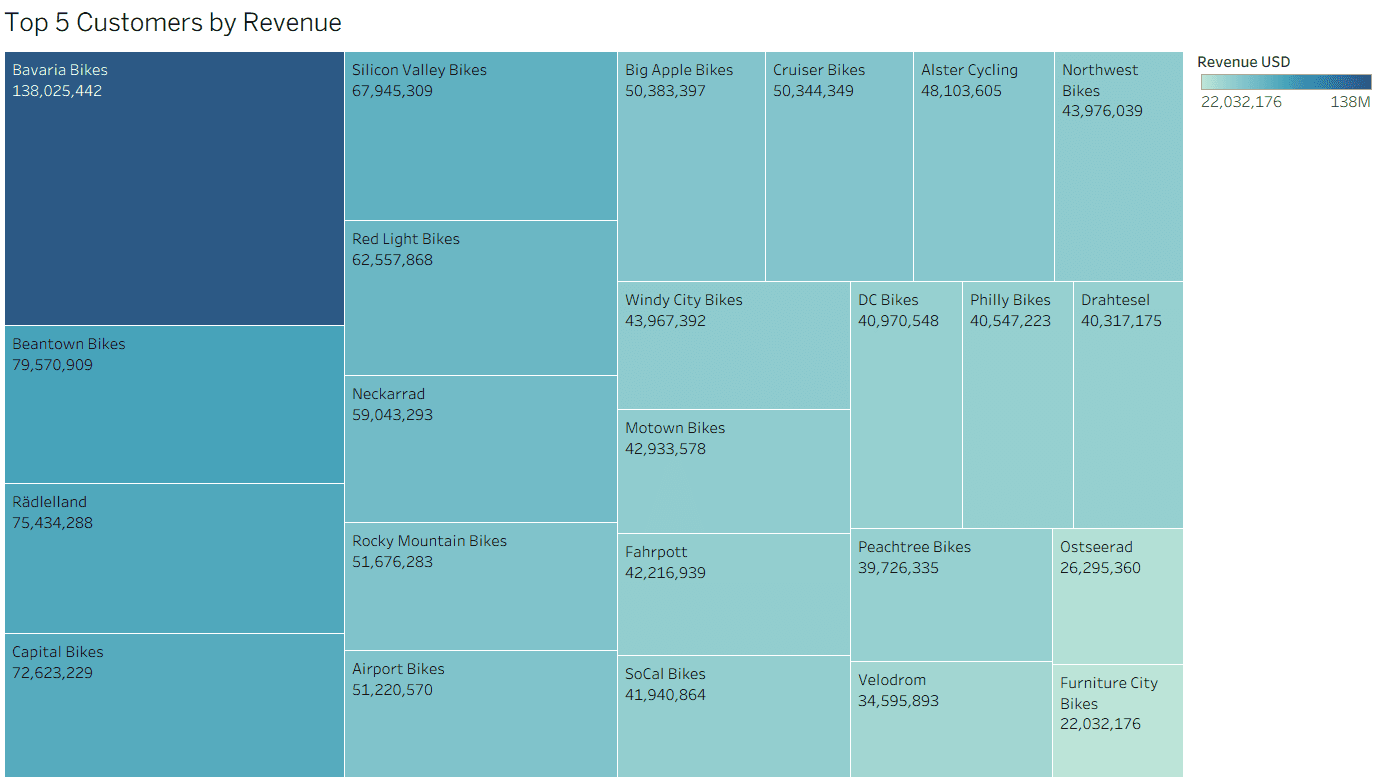
Top Customers by Revenue
This view identifies the highest-revenue customer accounts. Use this insight to align account strategy with profit-based segmentation.
❌ Traditional: Volume-First Thinking
- •Maximize unit sales at any margin cost
- •Higher discounts = more volume (not always true)
- •Revenue metrics drive decision-making
- •Market share becomes the obsession
✓ Strategic: Value-First Thinking
- •Maximize profit per unit (margin first)
- •Disciplined pricing discipline protects margins
- •Profit metrics drive strategic decisions
- •Profitability becomes the ultimate measure
→ Immediate Action Items
Audit Top 5 Products
Compare profit vs revenue rankings. Reallocate resources to profit leaders.
Implement Margin-Based KPIs
Shift sales incentives from revenue to profit targets by Q3 2024.
Strategic Pricing Review
Conduct category-by-category discount audit, especially Professional Touring Bikes.
Customer Segmentation
Treat top 5 customers as VIP accounts with dedicated account managers.
44,498
Units (München Peak)
Proof of urban-hub scalability
15,790
Units (June Record)
Seasonal peak opportunity
[R - C]
The Profit Formula
Revenue minus Costs equals Profit
Executive Summary & Roadmap
Inventory Optimization
Lock supply chains by March for the Q2 peak to prevent stockouts during peak season.
Market Expansion
Replicate the München urban-hub model in secondary US cities for accelerated growth.
Pricing Strategy
Audit discount levels on top 5 profit-driving products to maximize margin capture.